
 1800-646-0898
Bumex (Bumetanide) Tablet
Generic
Bumetanide (Generic Equivalent to Bumex)
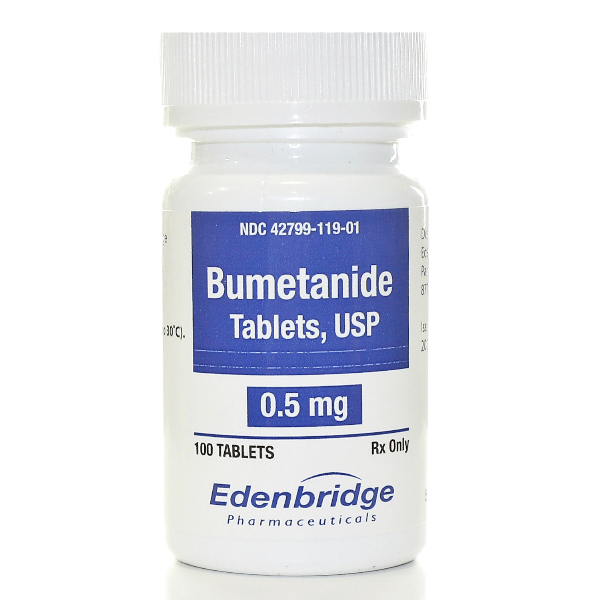
Bumetanide (Generic Equivalent to Bumex)
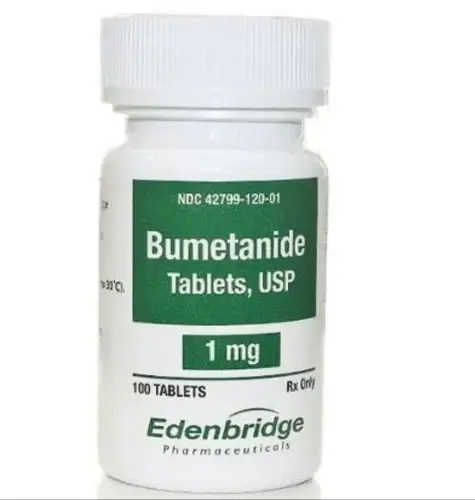
Bumetanide (Generic Equivalent to Bumex)
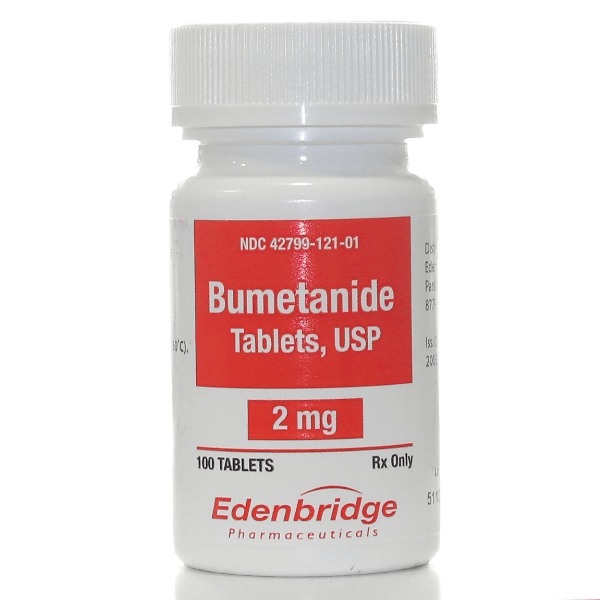
Bumex is the medication bumetanide. It is a loop diuretic, which means it works in the loop of Henle in the kidneys to increase the excretion of water and electrolytes from the body. Bumex is commonly prescribed to treat conditions such as edema (fluid retention) associated with congestive heart failure, liver cirrhosis, and kidney disorders.
Bumex is primarily used to treat edema associated with conditions like congestive heart failure, liver cirrhosis, and renal disease. It is also sometimes used to manage hypertension (high blood pressure).
Bumex is available in tablet form for oral administration. The tablets come in different strengths, and the appropriate dosage is determined by the prescribing healthcare professional based on the patient’s condition.
Bumex is contraindicated in individuals with a known hypersensitivity to bumetanide or other sulfonamide-derived drugs. It may also be contraindicated in certain medical conditions such as anuria (lack of urine production) and hepatic coma.
Uses Of Bumex Tablet
- Edema Associated with Congestive Heart Failure
- Edema due to Liver Cirrhosis
- Hypertension (High Blood Pressure)
It’s important to note that Bumex is typically used when other diuretics or treatment options are not sufficient. The choice of diuretic and its dosage depend on the specific medical condition, the patient’s response to treatment, and other individual factors.
Benefits Of Bumex Tablet
Bumex, as a diuretic, can contribute to lowering blood pressure by reducing blood volume. This is particularly relevant in hypertensive patients where excess fluid can contribute to elevated blood pressure.
It’s important to note that while Bumex offers these benefits, it should be used under the guidance and prescription of a healthcare professional. The dosage and duration of treatment will be determined based on the individual’s medical condition, response to the medication, and any potential side effects.
Side Effects Of Bumex Tablet
Most side effects do not require any medical attention and disappear as your body adjusts to the medicine. Consult your doctor if they persist or if you’re worried about them
Common side effects Of Bumex
- Swelling of the arms
- Slow-fast irregular heartbeat
- Confusion
- Muscle cramps
- Weakness
- Rash or Itching
- Nausea or Vomiting
- Dizziness or Lightheadedness
- Headache
How To Use Bumex Tablet
Take Bumex exactly as prescribed by your healthcare provider. The dosage will be determined based on your medical condition, response to treatment, and other factors.
Bumex tablets are typically taken orally with or without food. Take the tablet with a full glass of water. Swallow the tablet whole; do not crush or chew it.
How Bumex Tablet Works
Bumex is effective in managing fluid retention and high blood pressure, its use requires careful monitoring of electrolyte levels, particularly potassium. Excessive loss of potassium can lead to electrolyte imbalances and potential complications. Therefore, healthcare providers often monitor electrolyte levels and may prescribe potassium supplements or adjust the dosage of Bumex accordingly. As with any medication, it’s crucial to take Bumex as prescribed by a healthcare professional and to communicate any concerns or side effects to your healthcare provider.
Disclaimer :The information provided on the website is intended to facilitate awareness about healthcare products and medical conditions generally but it is not a substitute for professional medical attention or advice. You should always speak with a qualified healthcare practitioner before taking any prescription or non-prescription drug. |
| Product Type--Salt | Generic–Bumetanide (Generic Equivalent to Bumex) |
|---|---|
| tag--Manufacturer | Top Brand–Edenbridge Pharmaceuticals, Top Brand–Edenbridge Pharmaceuticals, Top Brand–Edenbridge Pharmaceuticals |
| Power--Pack Size | 0.5mg–100 Tablets, 0.5mg–200 Tablets, 0.5mg–300 Tablets, 0.5mg–400 Tablets, 1mg–100 Tablets, 1mg–200 Tablets, 1mg–300 Tablets, 1mg–400 Tablets, 2mg–100 Tablets, 2mg–200 Tablets, 2mg–300 Tablets, 2mg–400 Tablets |
